The Ultimate Guide to Understanding DTF Transfers: Size and Application Insights
As the world of custom apparel decoration continues to evolve, one of the standout technologies has been Direct to Film (DTF) transfers. This method has gained significant traction among small to medium-sized business owners and hobbyists who seek to create vibrant, durable, and unique designs. Understanding the nuances of DTF transfers, particularly regarding size, is essential for achieving top-notch results. This guide delves into the intricacies of DTF transfers, offering insights that will empower you to approach your projects with the confidence necessary for success.
In the realm of custom apparel decoration, the importance of sizing cannot be overstated. Whether you are designing for t-shirts, sports jerseys, or promotional items, the size of your transfers directly impacts the overall aesthetic and functionality of your designs. Knowing how to choose the right sizes will not only enhance your finished products but will also prevent waste and save you time and resources. This comprehensive guide will discuss various aspects of DTF transfers, focusing on how to effectively size your designs for various applications.
With a growing interest in personalized apparel, it's crucial for decorators to navigate the specifics of DTF technology with ease. As you embark on this creative journey, having a solid grasp of the size guide for DTF transfers will set you apart in a competitive market. From understanding dimensions to learning about the best practices for application, this article will serve as your go-to resource for mastering DTF transfer sizing. Let's explore the essential elements of this technology and how you can leverage them for your unique design needs.
Understanding DTF Transfers: An Overview
DTF transfers have emerged as a revolutionary solution for custom printing. Unlike traditional methods, DTF allows for vibrant colors and intricate designs to be printed directly onto a special film, which is then transferred onto the fabric. This method boasts advantages such as lower production costs and a quicker turnaround time, making it ideal for businesses seeking to meet tight deadlines while maintaining quality. Moreover, DTF transfers are compatible with a wide range of fabrics, including cotton, polyester, and blends, enabling decorators to diversify their offerings.
One of the most compelling features of DTF printing is its ability to produce designs with exceptional detail and richness. The process utilizes high-quality inks that penetrate the fabric, resulting in durable and long-lasting prints. Additionally, DTF technology does not require a minimum order quantity, allowing small businesses and individual creators to experiment freely without the burden of excess inventory. This flexibility is a game-changer for startups and hobbyists who are just beginning to explore their creative potential.
However, the effectiveness of DTF transfers significantly relies on understanding the appropriate sizing for your designs. Choosing the right size not only enhances the visual appeal but also ensures that the design adheres correctly to the fabric. This guide will help you navigate the various sizing options available and provide practical tips for achieving the best results.
Key Factors to Consider in Sizing DTF Transfers
When it comes to sizing DTF transfers, several key factors must be considered. First and foremost is the type of garment or item you are working with. Different fabrics and styles may require adjustments in size to ensure that the design fits well and remains visually appealing. For instance, a design intended for a fitted t-shirt might need to be smaller than one meant for a loose-fitting hoodie. Understanding the end-use of your apparel is crucial for making informed sizing choices.
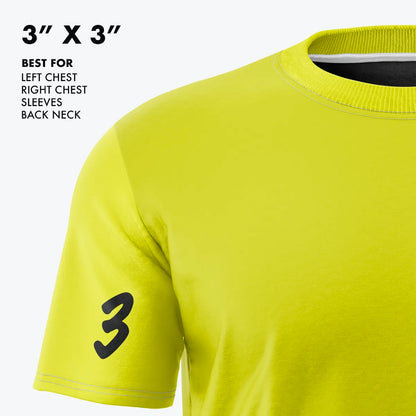
Another critical factor is the placement of the transfer on the garment. The location can dramatically affect the perceived size of the design. For instance, a large graphic on the front of a shirt may appear even more prominent than the same graphic placed on the sleeve. Additionally, considering the visual balance of the design is essential. A design that is too large may overwhelm the garment, while one that is too small can appear lost and ineffective. Striking the right balance is fundamental for creating visually appealing custom apparel.
Lastly, the resolution of your design plays a crucial role in determining the size. High-resolution images can be scaled up without losing detail, while lower resolution images may need to be kept smaller to avoid pixelation. This aspect is particularly important for intricate designs that require clarity to showcase their full potential. By factoring in these considerations, you can ensure that your DTF transfers are not only the right size but also effectively convey your intended message.
Common Sizes and Their Applications
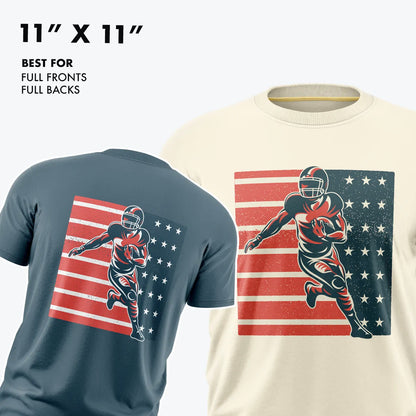
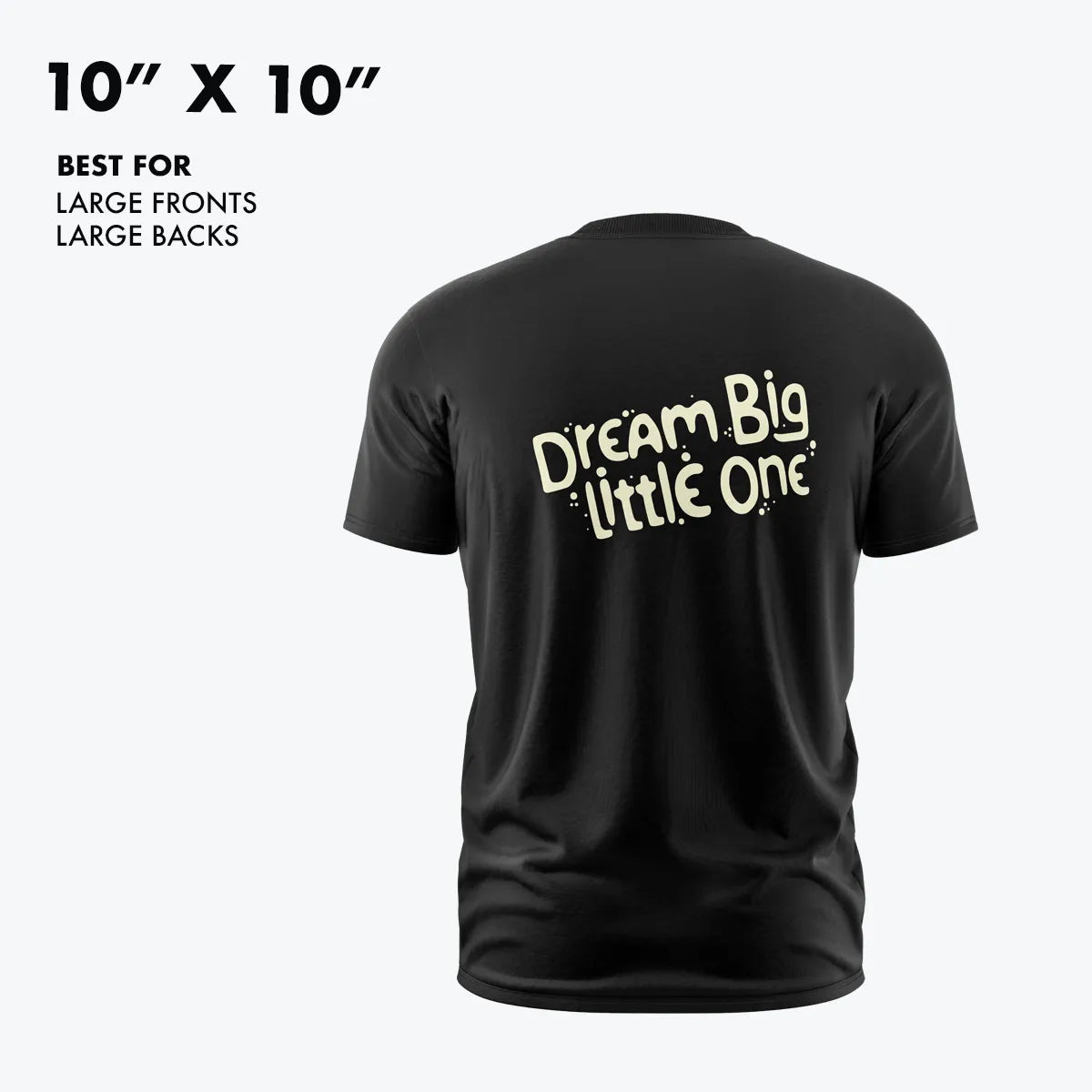
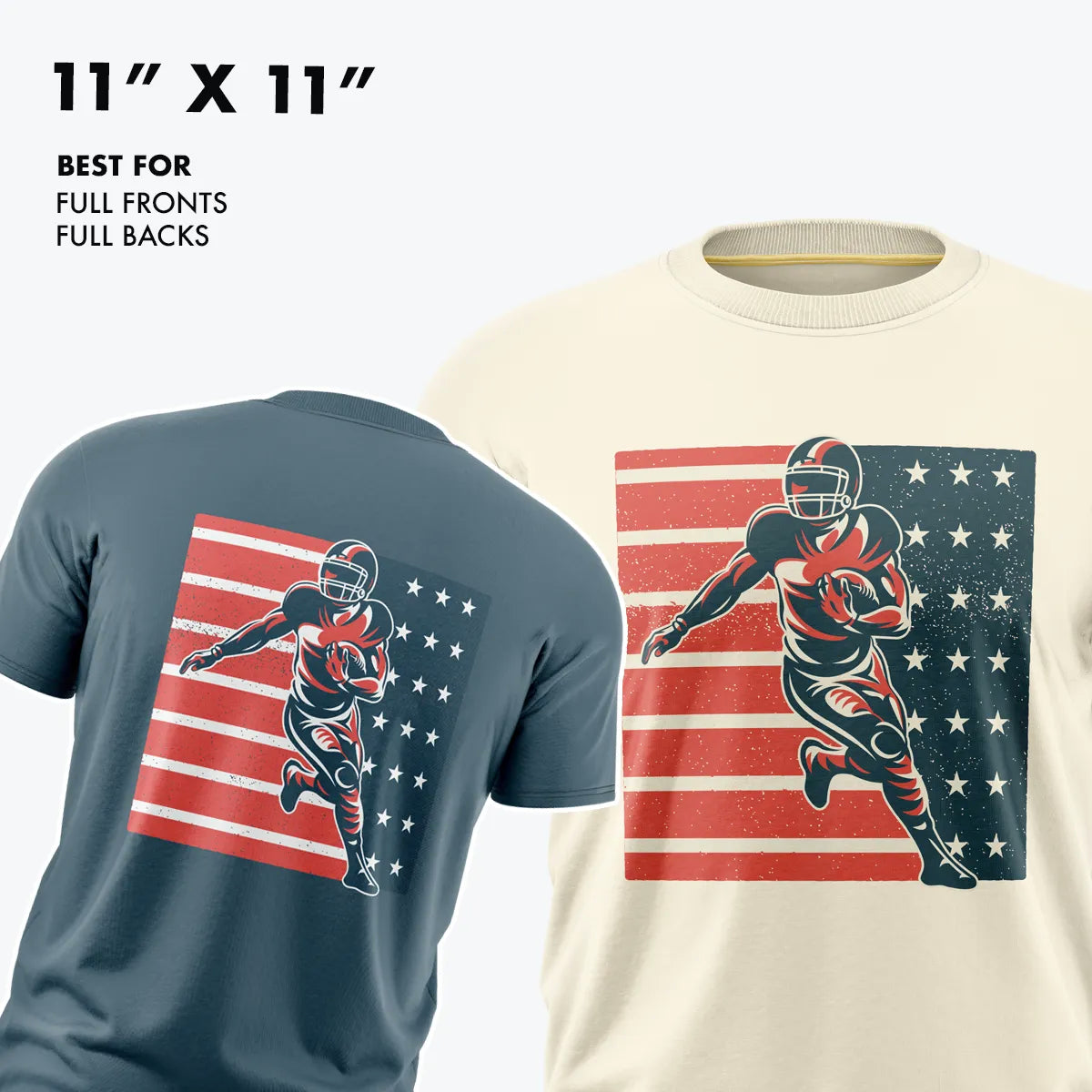
When deciding on sizes for DTF transfers, it’s helpful to refer to common size standards used in the industry. Typically, DTF transfers range from small (around 5x5 inches) to large (up to 15x20 inches or more) depending on the application. Small transfers are often used for logos or text on the breast area of shirts, whereas larger transfers can be applied across the back of jackets or on larger apparel items such as sweatshirts. Understanding these common sizes can streamline your decision-making process and ensure your designs are effective.
For instance, a common size for a chest logo is approximately 4 to 6 inches wide, which offers a clean and professional appearance. In contrast, full-back designs can range between 12 to 15 inches wide, allowing for dramatic visual impact. It's also essential to consider the height of the design; a well-proportioned transfer should maintain a ratio that complements the garment's style. By adhering to these common sizing standards, you can enhance the professionalism of your custom designs.
Furthermore, as trends in fashion and design evolve, so do the preferences for sizing. Many brands are moving toward larger graphics that make bold statements. This trend indicates that larger DTF transfers are increasingly becoming popular among consumers, particularly for streetwear and casual apparel. Staying updated with these trends can guide your design choices and help you remain competitive in the market.
Best Practices for Applying DTF Transfers
The application of DTF transfers requires careful attention to detail to ensure the best results. Proper preparation of the fabric is essential; garments should be clean, dry, and heat-resistant to facilitate effective transfer. Pre-pressing the fabric can also help eliminate any moisture that may interfere with the adherence of the transfer. This step is often overlooked but can significantly impact the final outcome of your designs.
Once your fabric is prepared, it’s vital to use the correct temperature and pressure settings during the transfer process. Each DTF transfer may have specific instructions, but a general rule of thumb is to apply heat between 320°F and 350°F for about 15-20 seconds. It’s important to monitor the pressure; too much pressure can distort the design, while too little may lead to incomplete adhesion. Following these guidelines will help you achieve a professional finish that stands the test of time.
Additionally, after applying the transfer, it’s advisable to let it cool down before peeling off the film. This cooling period is crucial as it allows the adhesive to bond more effectively with the fabric. Rushing this step can lead to lifting edges or even a complete failure of the transfer. By incorporating these best practices into your workflow, you can enhance the durability and appearance of your DTF transfers, ultimately leading to better customer satisfaction.
Storage and Care of DTF Transfers
Once your DTF transfers are applied, proper care and storage are essential for maintaining their quality. For garments, it’s recommended to wash them inside out to protect the design. Using cold water and avoiding bleach will help preserve the vibrancy of the colors. Additionally, opting for a gentle cycle can extend the lifespan of the transfer and the fabric. It's also wise to avoid high heat when drying; air drying is the safest option to prevent any damage.
When storing unused DTF transfers, keep them in a cool, dry place away from direct sunlight. Excessive heat or moisture can degrade the quality of the transfers, affecting their performance when applied. Additionally, keeping transfers flat and avoiding heavy stacking can help maintain their integrity. By following these storage and care guidelines, you can ensure that your DTF transfers remain in excellent condition until needed.
Innovations in DTF Technology
As the printing industry continues to advance, innovations in DTF technology are making waves. New formulations of inks and adhesives are being developed to enhance the durability and vibrancy of transfers. These advancements not only improve the quality of the final product but also streamline the application process, allowing for faster production times. Keeping abreast of these innovations can provide you with competitive advantages in your custom apparel business. dtf size comparison
Moreover, new printing techniques are emerging that allow for even more complex designs and color gradients. This evolution opens up a world of possibilities for decorators, enabling them to create more intricate and personalized designs that cater to diverse customer preferences. By leveraging these technological advancements, you can elevate your offerings and attract a broader audience.
Comparative Analysis: DTF vs. Other Transfer Methods
In the landscape of custom apparel decoration, DTF transfers stand out when compared to traditional methods such as screen printing and heat transfer vinyl (HTV). DTF transfers produce high-quality images with vibrant colors and intricate details, often surpassing the capabilities of HTV in terms of design complexity. Additionally, DTF allows for a wider range of fabric compatibility, making it an excellent choice for varied projects.
While screen printing is known for its durability, the setup costs and minimum order requirements can be prohibitive for small businesses or individuals. In contrast, DTF transfers require no minimum orders, enabling more flexibility in production runs. This aspect is particularly appealing for entrepreneurs who wish to test new designs without committing to large quantities.
Furthermore, the application of DTF transfers is generally more straightforward than screen printing, which often requires elaborate setups and multiple screens for different colors. DTF printing simplifies the process by allowing designers to print directly onto the transfer film, reducing the time and effort involved in preparation and application. This efficiency is a significant advantage for decorators focused on quick turnaround times.
Table of Common Sizes for DTF Transfers
| Transfer Size | Recommended Application | Typical Dimensions |
|---|---|---|
| Small | Chest logos | 4x4 to 6x6 inches |
| Medium | Full front designs | 8x10 to 10x12 inches |
| Large | Full back designs | 12x15 to 15x20 inches |
| Extra Large | Jackets and hoodies | 18x24 inches or larger |
This table illustrates common sizes for DTF transfers and their recommended applications. Understanding these dimensions can assist you in making informed choices when creating your designs, ensuring that your transfers are well-suited for the intended garment. direct to film transfers by size
Pros and Cons
- Pros:
- Vibrant Colors: DTF transfers provide a wide color gamut, allowing for rich, detailed designs that stand out on any fabric.
- Versatility: Suitable for various fabrics, including cotton, polyester, and blends, making it ideal for diverse projects.
- No Minimum Order: Perfect for small businesses or hobbyists who want to create custom items without large inventory commitments.
- Quick Turnaround: The application process is efficient, enabling decorators to fulfill orders faster while maintaining quality.
- Cons:
- Durability Concerns: While generally durable, some lower-quality DTF transfers may not withstand heavy washing or wear.
- Initial Costs: Investing in DTF printing equipment and supplies can be costly for newcomers to the industry.
- Learning Curve: Mastering DTF techniques may require some practice and experimentation, particularly for beginners.
Evaluating the pros and cons of DTF transfers reveals a balanced view of this printing method. While the advantages are compelling, particularly for small businesses and creative individuals, it is essential to be aware of potential drawbacks. By weighing these factors, decorators can make informed decisions that suit their specific needs and objectives.
Frequently Asked Questions
- What is the ideal temperature for applying DTF transfers?
The ideal temperature for applying DTF transfers typically ranges from 320°F to 350°F. It's essential to follow the manufacturer's guidelines for specific transfer types to ensure proper adhesion and quality.
- Can DTF transfers be used on all fabric types?
Yes, DTF transfers are compatible with a wide variety of fabric types, including cotton, polyester, and blends. This versatility makes them suitable for different applications in custom apparel decoration.
- How do I ensure my DTF designs remain vibrant after washing?
To maintain the vibrancy of DTF designs, wash garments inside out in cold water and avoid harsh detergents. Air drying is also recommended to prevent damage from high heat.
- What is the difference between DTF and DTG printing?
DTF (Direct to Film) transfers involve printing designs onto a film that is then transferred to fabric, while DTG (Direct to Garment) printing involves directly printing onto the garment. DTF offers more versatility in fabric compatibility, whereas DTG is often limited to cotton fabrics.
Conclusion
Understanding DTF transfers and their sizing is crucial for anyone involved in custom apparel decoration. By grasping the intricacies of sizing, application, and maintenance, decorators can create stunning designs that resonate with their target audience. This guide has equipped you with the knowledge necessary to approach your projects with confidence, ensuring that your DTF transfers are not only visually appealing but also durable and effective. As you continue to explore this innovative technology, remember to stay updated on industry trends and advancements, allowing you to remain competitive and creative in your endeavors. EazyDTF Online


